
The science behind the "movement-meditation hybrid"
In a world where stress is no longer the exception but the rule, more and more people are looking for methods that promote both physical fitness and mental stability. nbsp;BailongBall offers precisely this combination: a dynamic game that combines elements of TaiQi with Western racket sports in such a healthy way that it can have a measurable impact on our nervous system, metabolism, and even our social bonds.

Fritjof Nelting's lecture on the occasion of the 20th anniversary of the TBBF in October 2025 provides a surprisingly in-depth picture of how training modulates physiological stress responses, which hormonal mechanisms play a role in this process, and why BailongBall can be seamlessly integrated into any athletic routine—without displacing other disciplines.
In this series of blog posts, we summarize the most important insights from Fritjof's lecture, linking them to practical aspects. Whether you want to incorporate BailongBall into your training or teaching, or are primarily interested in the health aspects of our sport, this series provides you with important, interesting, and in-depth background information.
You may remember our update "Calmness, serenity, lack of intention, and BailongBall's role "? There, we briefly introduced Fritjof, talked about his lecture on the occasion of the 20th anniversary of the TBBF, and announced details about his insights. And here is the blog series on this topic. In part 1, Fritjof explains the role stress plays in our everyday lives today and how it affects our hormones. Translated with DeepL.com (free version)
3. How BailongBall specifically counteracts the hormonal effects of everyday stress
If chronic stress invades a dysfunctional metabolic and regulatory network via cortisol, insulin, and leptin, and stress is a constant in modern everyday life, how can BailongBall help? What is special about our sport is that it is not just a new ball game—it is more of a targeted movement-meditation hybrid that precisely addresses the physiological factors that become unbalanced when we are stressed. Fritjof's detailed explanations make it clear which components of the training normalize which hormonal mechanisms and why the whole thing even leads to greater resilience in the long term. But let's take it step by step...
The dual nervous system cycle in BailongBall

- short-term sympathetic nervous system activation ("stress impulse") during fast, technically demanding movements and
- Parasympathetic return ("relaxation impulse") during flowing, relaxing movements accompanied by conscious breathing
BailongBall supports healthy muscle training

And this is another unique feature of our sport that makes it so healthy: it exercises the whole body. Circular swing movements generate dynamic power from the feet, which is transferred to the pelvic area and leads to twists in the upper body, culminating in the typical semicircular movements of the arms. This activates large muscle groups in the legs, torso, and arms.
This means that no individual parts of the body are overstrained. The transfer of force within the bone-tendon-muscle complex is controlled and challenging at the same time. The focus is on maintaining core stability and balance, which in turn allows for an even distribution of the work-out load.
And what does this achieve? This combination enables the body to quickly break down excess sugar through muscle work throughout the entire body after a stress cortisol spike, thereby permanently reducing insulin load. In combination with the borderline stimuli mentioned above, BailongBall—which combines moderate aerobic training with short, intense phases of movement—can lead the body into a hormetic cycle: stress → recovery → strengthening.
4. A matter of the mind – neuroplasticity and social bonding
Neural growth through training
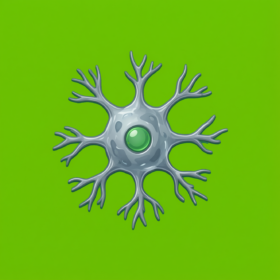
During BailongBall training, adenosine triphosphate (ATP) is also consumed, producing adenosine monophosphate and ultimately stimulating energy production. Finally, neurotrophins such as brain-derived neurotrophic factor (BDNF) are also released. This factor supports the growth of new hippocampus cells, which are crucial for memory and stress resistance. In other words, it is a growth factor for the brain.
Training together and the bonding hormone
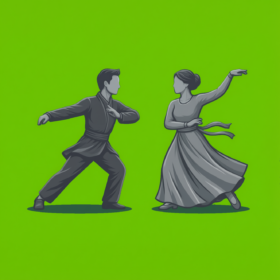
Playing and moving together are core aspects of BailongBall training. This can be found not only in the Game Cooperative discipline, but also in the Art Choreo discipline with several people. This in turn triggers the release of oxytocin, known as the bonding hormone. Not only does this strengthen the sense of community, it also has a neuroprotective effect and supports the reconstruction of neural networks. As Fritjof explains: "When we do things together, we release oxytocin."
Fritjof goes on to explain why BailongBall is also a holistic preventive tool for older people or those at risk of neurodegenerative diseases (e.g., dementia): physical exercise + social interaction = combined protection.
So that's how BailongBall combats stress – really impressive! In the next blog post of this series, Fritjof will show you how to structure your BailongBall training so that you can make the most of the sport's special stress-relieving powers. Are you excited too? 🤓
Fritjof Nelting
BailongBall Instructor
Mike Ritz
BailongBall Instructor