
Dialogue of Dynamics: Insights into the Heart of BailongBall 🐉
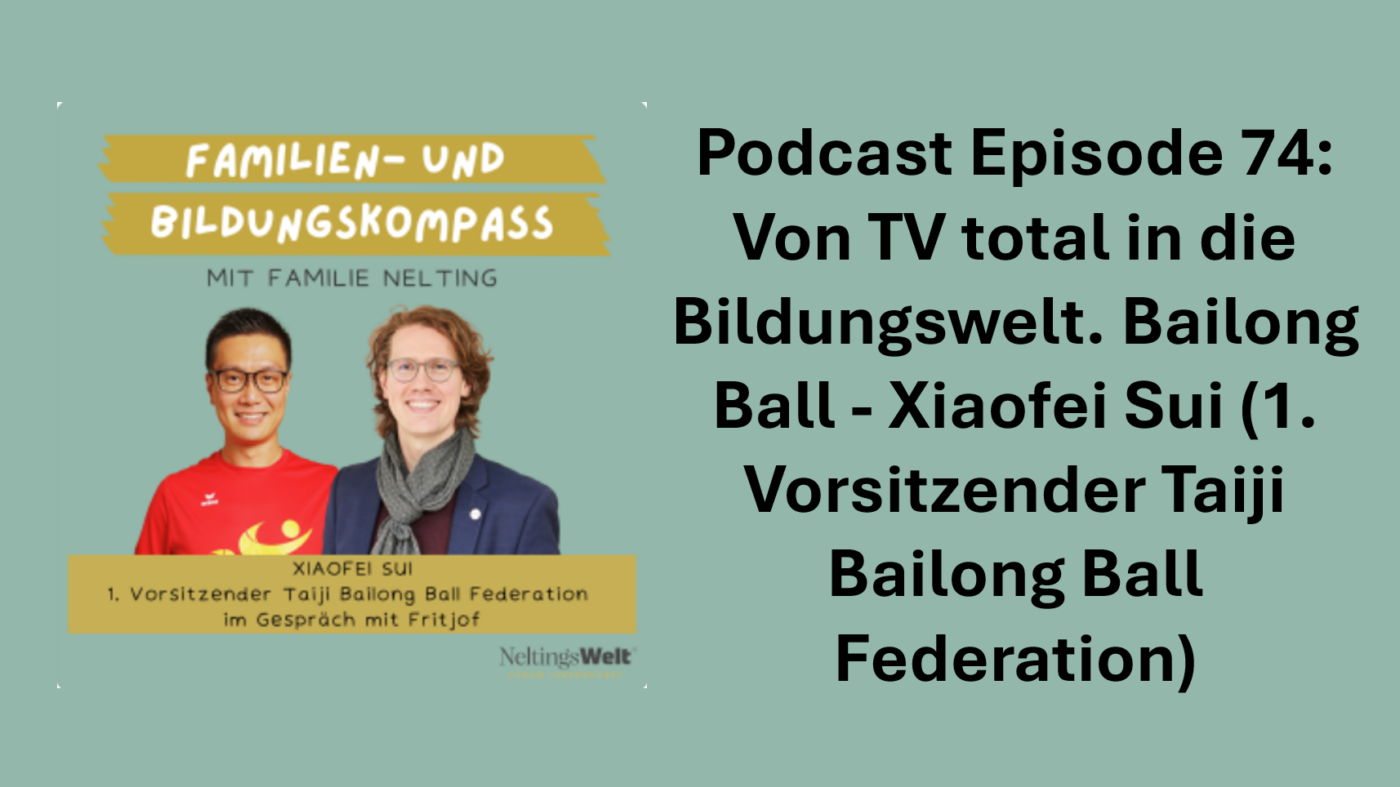
What makes BailongBall so special? Is it just a sport, or is there more to it? In a fascinating conversation as part of the Family and Education Compass podcast, Fritjof and Xiaofei delve deeply into the philosophy, history, and future of BailongBall.




It wasn't a traditional interview, but rather a lively back-and-forth exchange of ideas, visions, and passion. We've summarized the most exciting moments of this conversation for you—a journey through the philosophy behind the White Dragon.

The question on many curious people's minds: "Why is it called BailongBall, anyway?"
Meaning behind the characters: Bai (white/balance) and Long (dragon). It’s important to understand that the Chinese dragon is not the fire-breathing monster from our fairy tales, but rather a symbol of graceful strength and versatility.
The Essence: BailongBall bridges the gap between East and West. While the equipment (rackets, sand-filled balls) is Western in origin, the philosophy behind the movements is deeply rooted in Eastern traditions—inspired by Tai Chi and Qi Gong. The focus is on initiating movements from the center and finding balance.

How important is it to not just focus on one aspect, but to view exercise as a holistic experience…
Physics and Aesthetics: The discipline of Art is about guiding the ball “as if it were glued to your racket” through centripetal forces and physical effort—a dance-like choreography.
Focus on Teamwork: In the "Game" discipline, on the other hand, the ball serves as the link between partners, and the flow of the game must never be interrupted.
Conclusion: Ob man nun solo „tanzt“ oder gemeinsam „spielt“ – die Freude entsteht durch den Moment und nicht durch den Sieg über einen Gegner. Das ist das ganzheitliche Spielerlebnis, das weit über das Schlagen eines Balls oder Gegners hinausgeht.
A Sport Without Barriers: Why It’s Captivating Schools and Families…
A new experience for children and teenagers that has an enormous “pull.”
Fear-Free Play: Since the ball is soft and “sluggish” (due to the sand), the fear of making a mistake disappears. Did it fall? No big deal! This builds confidence in your own body.
Inclusivity: Since there are no barriers between young and old or between professionals and beginners, the level of play adapts accordingly—advanced players demonstrate the “finer art” of the game, while beginners discover the joy of playing.
Building Connections: Especially in schools, BailongBall serves as a bridge between teachers and students. It creates a space where people can breathe together, move together, and calm their minds.
A Glimpse into the Future: The Dream of the Olympic Ring
To conclude, here’s an emotional point: Professor Bairong’s vision that our sport—which so perfectly embodies the circle as a symbol of unity and continuity—will one day make it to the Olympic Games.
The conversation between Fritjof and Xiaofei shows that BailongBall is not merely a sport for “letting off steam.” It is an invitation to pause, find your rhythm, and embark on a journey of concentration and harmony with the ball.
Want to experience it for yourself? Whether you’ve just discovered the philosophy or already have your racket in the closet—the journey begins with that first feel of the ball in your hand. Listen to the podcast and get inspired to start your own “symphony of movement”!
You can find the podcast on Fritjof's website and on streaming services such as Audible, GetPodcast, Goodpods, podcast.de, Spotify, and many more.
Mike Ritz
BailongBall Instructor